











 Safety


Editor's Review
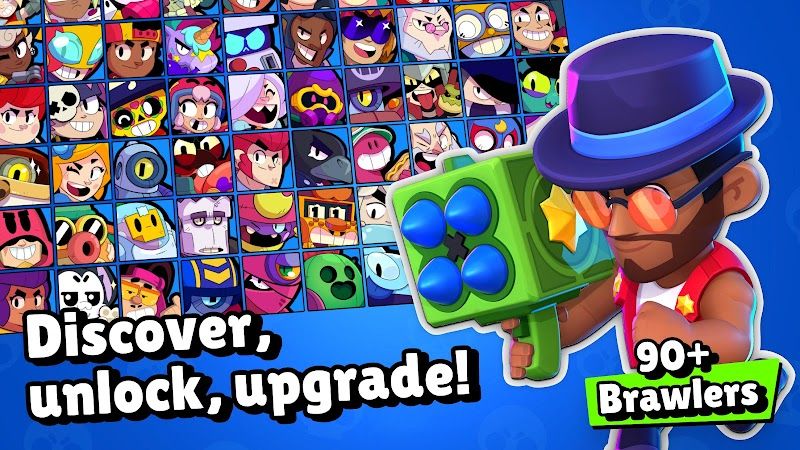
Brawl stars is a game that looks like a free to play competitive shooter, yet, under the colorful surface, is a complex progression system that is the core element of the player experience. Although the rapidity of gameplay and the variety of players are the driving forces of interest among the players at first, the overall longevity of the game strongly relies on the way Supercell has managed to design character progression and monetization.
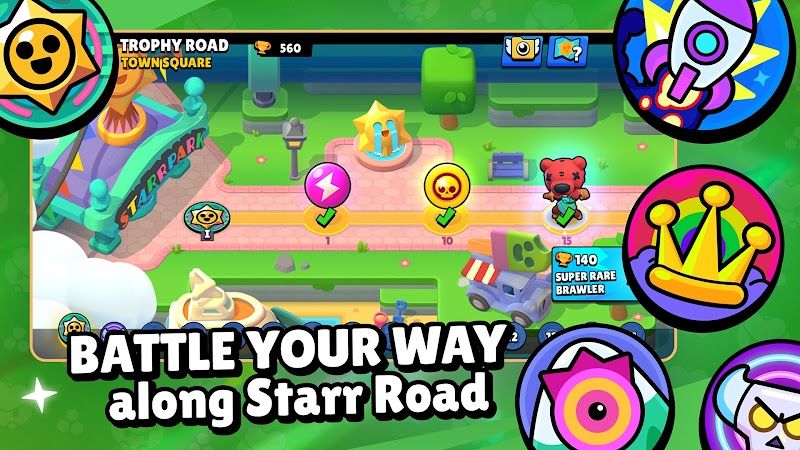
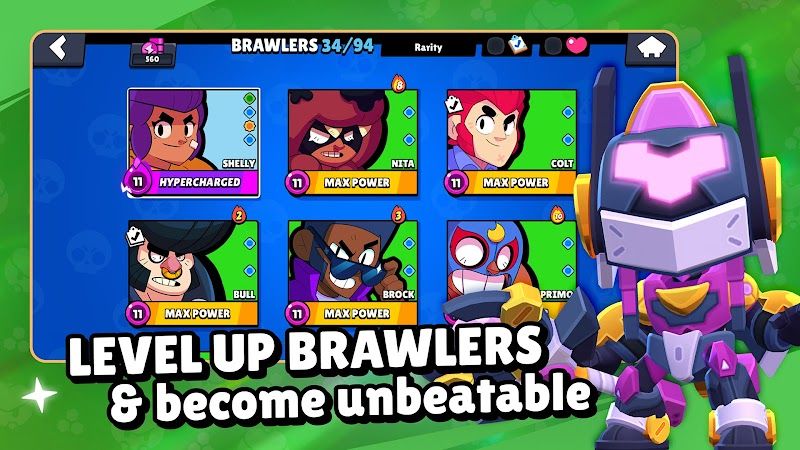
The upgrade path is based on several currency interconnected and upgrade paths. Every Brawler must live through 11 power levels with requirement of Power points, level 10 and 11 demanding purchase of Gears using Coins and finally Scrap. In addition to the raw statistics, each Brawler will unlock two Gadgets and two Star Powers, both of which change the capabilities of the game radically. As an example, the Meteor Rush Star Power in El Primo allows him to move faster following his Super, and this allows him to employ a different approach to engagement. Players can unlock these upgrades in Brawl Boxes which are received by the Trophy Road or with Gems, the premium currency.
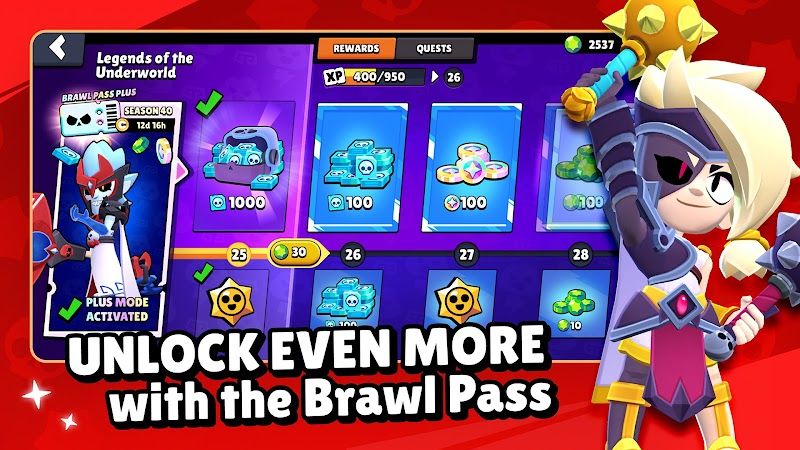
The Brawl Pass is the main monetization offer of Supercell, which is priced at 169 Gems (about 10 dollars) per 70 days long season. The pass features two parallel tracks: a free tier accessible to all players and a premium tier offering an exclusive chromatic Brawler, additional boxes, skins, and cosmetic items. Chromatic Brawlers initially possess Legendary rarity but decrease to Epic rarity over subsequent seasons, making them eventually more accessible. The pass provides excellent value for committed players, essentially guaranteeing the featured Brawler plus substantial progression resources.
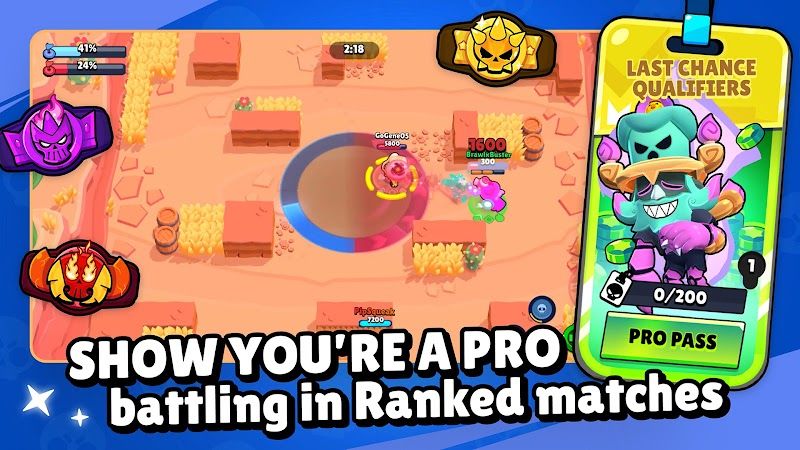
This system has a number of benefits in terms of retaining players and fair competition. In contrast to most mobile games, Brawl Stars does not have an energy system or artificial time limits; people can play as many matches as they want, with or without the payment. The Trophy Road reward system will give free Brawlers to those who play consistently, and this way new players will build their roster through their devotion alone. The rarity decay of Chromatic Brawlers ensures the exclusivity content is available to free users in the long term without having to rely on permanent paywalls. The matchmaking system also tries to match players that are equally matched in Power League, which reduces the effect of pay-to-win in the competitive modes.
Nevertheless, there exist major drawbacks that make budget players frustrated. Maxing a single Brawler requires approximately 1,875 Power Points, 3,740 Coins for levels, plus additional currencies for Gadgets, Star Powers, and Gears. With over 70 Brawlers, the grinding becomes monumentally time-consuming without financial investment. Club League, the primary competitive endgame, requires multiple maxed Brawlers per player, creating barriers for free-to-play participants whose clubs may exclude them for inadequate progression.
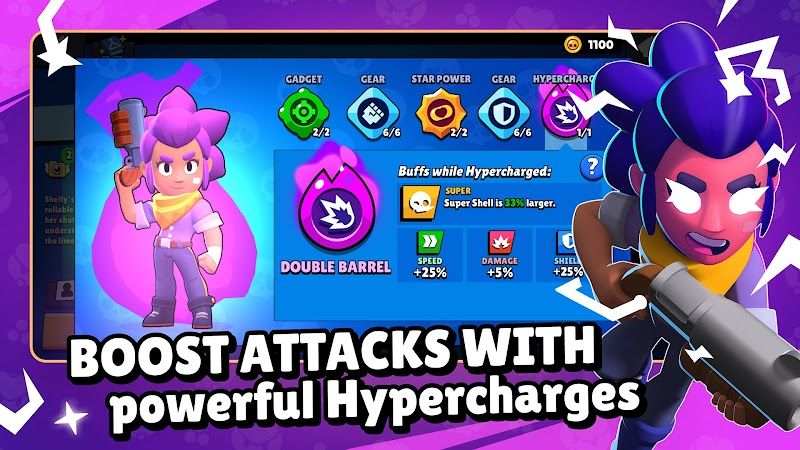
The randomized box system compounds these issues. Despite Supercell's implementation of bad luck protection increasing drop rates after extended dry spells, players frequently experience frustrating droughts when pursuing specific Brawlers or upgrades. Legendary Brawlers maintain approximately 0.25% base drop rates, meaning some players wait months for specific characters. This has been further extended by the introduction of Hypercharges, top abilities that need another currency and cost up to 140,000 Coins to fully upgrade on all Brawlers.
Brawl Stars is on a thin ice between free content and spending promotion. Whereas talented players can play as well without payment, monetization is forced by the psychological strain that lack of full teams and weakened Brawlers can cause. The system succeeds in sustaining Supercell's business while maintaining playability, though it occasionally tips toward frustration.
By Jerry | Copyright © JoyGamerss - All Rights Reserved














Comments