












 Safety


Editor's Review
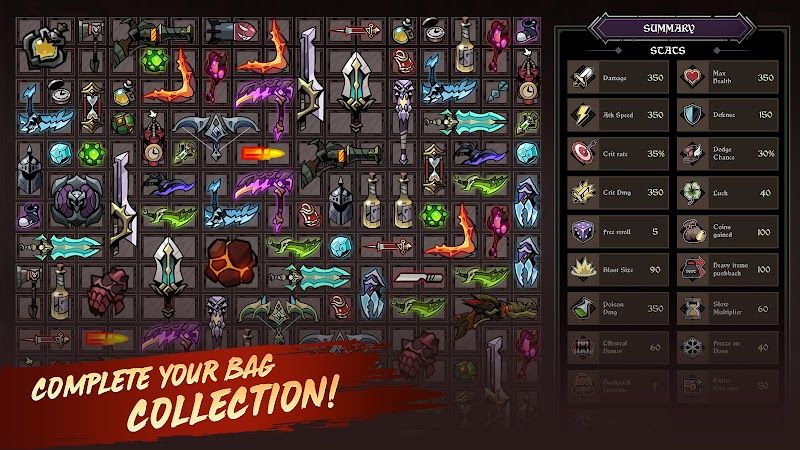
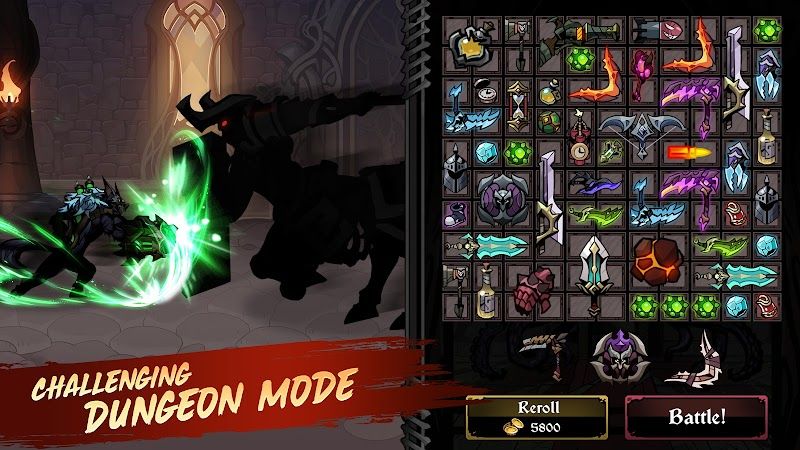
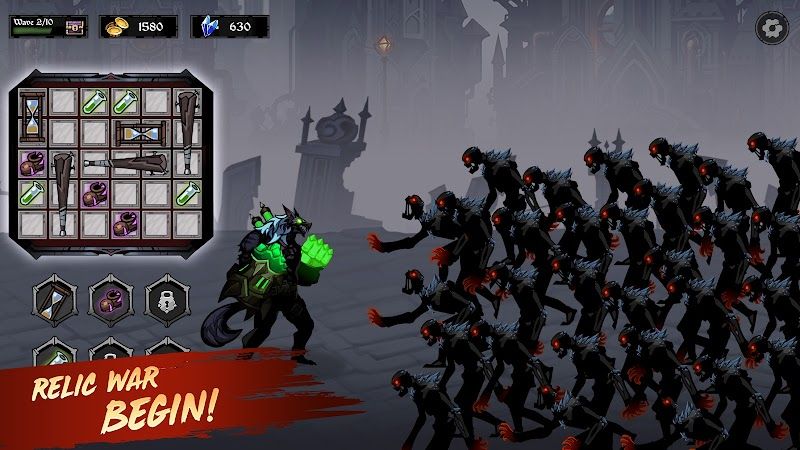
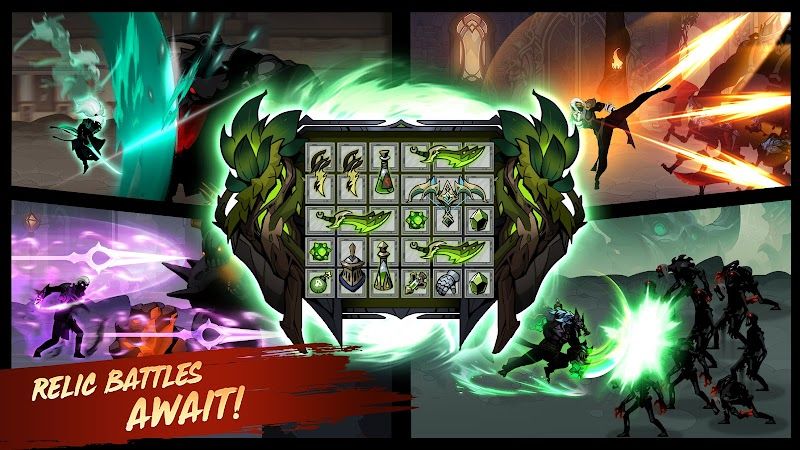
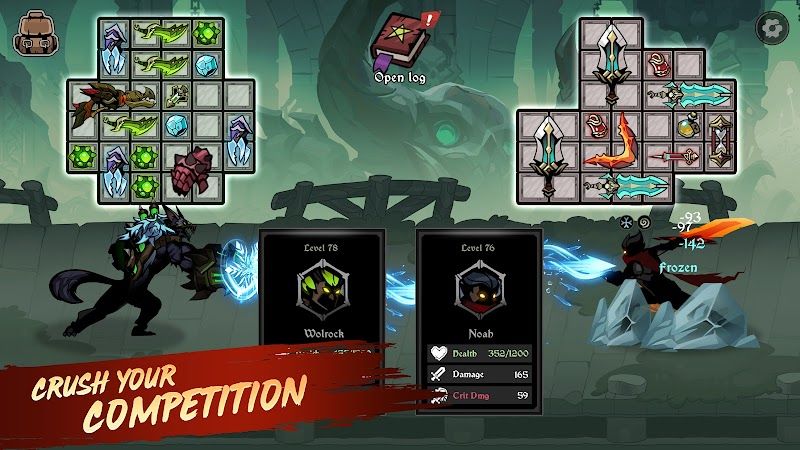
Relic Bag: Shadow Hunter presents itself as a 2D puzzle idle game where stickman warriors merge weapons in their backpacks before battling shadow enemies across wave-based levels. Developed by Fansipan Limited, the game combines pre-combat weapon crafting with parkour-infused combat animations, featuring bdz, knives, bazookas, lightsabers, and crossbows that players combine into increasingly powerful variants. Warriors gather ancient artifacts, open fatal abilities, and train their soldiers using individual character development trees as they backflip in the middle of the enemy formations. But, behind this attractive premise, there is a very basic conflict between progression design and monetization strategy that diminishes the long-term viability of the game.
The character unlock system shows the economic inequality most clearly. Three playable shadow stickman warriors require forty-five dollars total to access, pricing each individual character at fifteen dollars. This premium positioning suggests substantial differentiation between fighters, yet the actual implementation disappoints. Each warrior features separate growth trees, theoretically allowing distinct playstyles and specializations. Players might reasonably expect a fifteen-dollar character to offer unique traits, exclusive weapon synergies, or specialized abilities that justify the investment. Instead, the trait systems remain largely identical across characters, reducing the purchase to aesthetic preference rather than meaningful gameplay variation.
This creates a psychological disconnect. Players investing fifteen dollars expect transformative content—new mechanics, exclusive strategies, or distinctive power fantasies. When characters function interchangeably despite visual differences, the monetization feels exploitative rather than value-driven. The problem intensifies when comparing these prices to complete console experiences available at similar costs. Ten dollars for advertisement removal appears reasonable by mobile standards, yet combined with character purchases, total investment can exceed many premium titles offering substantially more content depth and mechanical variety.
The buff vendor mechanics further expose economic design flaws. Every few waves, vendors offer high-end skills costing 120 gold each. This pricing suggests these buffs should represent crucial tactical decisions—temporary power spikes requiring careful resource management. Yet player experiences consistently report never purchasing these expensive upgrades while still progressing smoothly. This reveals two troubling possibilities: either base progression through weapon merging trivializes content, rendering expensive buffs unnecessary, or the buffs themselves offer insufficient value relative to their cost, making them trap purchases that waste limited resources.
Advantages do exist within this economic framework. The offline idle mechanics allow continuous progression without constant engagement, respecting player time while maintaining forward momentum. The ancient relic collection system provides incremental power increases that feel earned rather than purchased. Successfully merging weapons from knives to bazookas delivers satisfying progression curves independent of monetary investment. For players avoiding character purchases, the base game offers functional entertainment without paywalls blocking core content access.
However, these advantages cannot overcome the fundamental misalignment between pricing and delivered value. When trait homogenization renders fifteen-dollar characters functionally identical to free alternatives, when 120-gold buffs remain perpetually ignorable, and when total investment approaches AAA game pricing for mobile-scale content, the economic structure actively undermines player goodwill. The progression systems work adequately, but monetization decisions create the impression that the developer prioritizes extraction over value provision.
Relic Bag: Shadow Hunter could have balanced premium pricing with substantial differentiation, creating characters worth their asking price through unique mechanics and exclusive strategies. Instead, the economic design exemplifies mobile gaming's persistent struggle between profit optimization and player respect. The weapon merging remains enjoyable, the idle progression functions adequately, but the monetization philosophy casts shadows darker than any enemies faced in combat.
By Jerry | Copyright © JoyGamerss - All Rights Reserved
















Comments